Cultural disparities in gambling How traditions shape the game worldwide
Understanding Gambling Across Cultures
Cultural differences play a significant role in how gambling is perceived and practiced around the globe. In many societies, gambling is viewed as a form of entertainment, while in others, it may carry a stigma or be tightly regulated. For example, in countries like the United States, casinos are often seen as glamorous destinations, whereas, in parts of Asia, gambling may be intertwined with traditional practices and festivals. Many people enjoy engaging in online casinos, which further illustrates how cultural attitudes can affect the popularity of different gambling platforms.
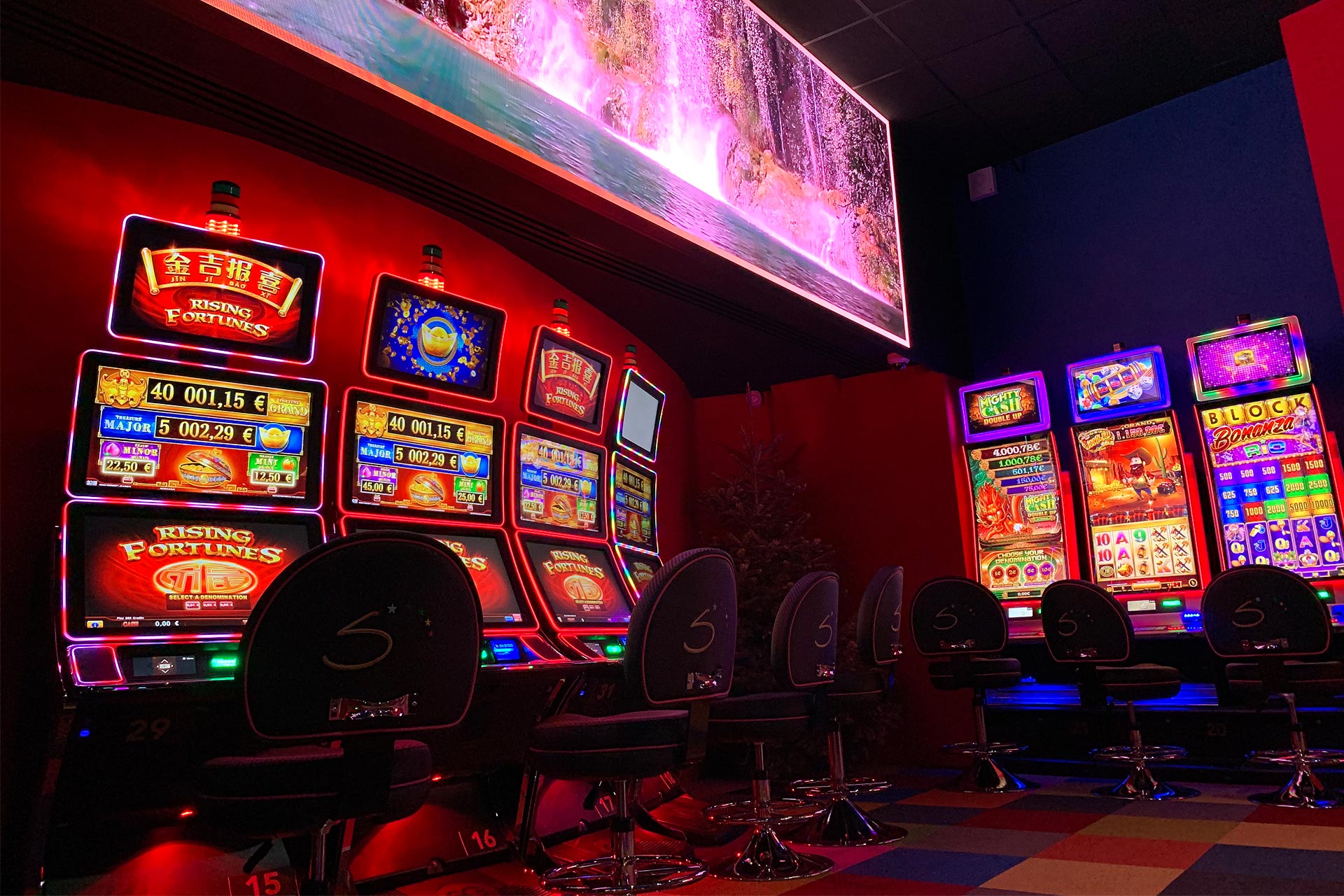
The variations in cultural attitudes towards gambling also influence the types of games played. In Western cultures, games like poker and blackjack are popular, characterized by strategy and skill. Conversely, in many Asian cultures, games such as Mahjong and Pai Gow, which involve social interaction and tradition, dominate the gambling scene. These distinctions highlight the diverse landscape of gambling practices influenced by historical and cultural contexts.
The Role of Tradition in Gambling Practices
Tradition significantly shapes the gambling landscape, dictating not only the types of games played but also the rituals surrounding them. In many cultures, gambling is not just about winning money; it is often a communal activity steeped in rituals that can include offerings, prayers, or special attire. In some Indigenous cultures, gambling is part of spiritual practices, reflecting a deeper connection to heritage and community.
These traditions can create a rich tapestry of gambling experiences. For instance, during major festivals, specific gambling games may be played that resonate with cultural significance, serving to reinforce social bonds and community identity. The blend of ritual and gaming creates a unique gambling experience that extends beyond the mere act of wagering money.
Legal and Social Implications of Gambling Worldwide
The legal status of gambling varies widely, often reflecting cultural attitudes. In some countries, gambling is fully legal and regulated, resulting in thriving industries that contribute to the economy. In contrast, other nations impose strict laws or outright bans, driven by cultural beliefs that view gambling as immoral or harmful. This legal framework significantly impacts how gambling is conducted, from the establishment of casinos to online gambling practices.
Moreover, the social implications of gambling cannot be overlooked. In cultures where gambling is accepted, it can lead to vibrant social interactions and economic opportunities. Conversely, in societies where gambling is frowned upon, it can lead to stigmatization and negative social consequences for those who participate. This dichotomy reveals how gambling can either foster community engagement or exacerbate social divisions.
The Impact of Technology on Gambling Culture
Advancements in technology have transformed gambling practices across cultures, leading to new forms of engagement and participation. Online gambling platforms have made it possible for individuals to gamble from the comfort of their homes, breaking down geographical barriers. This accessibility has influenced traditional games, adapting them for digital formats while introducing new players to various cultural gambling practices.
However, the integration of technology into gambling also raises concerns regarding addiction and regulation. As online gambling grows in popularity, different cultures face the challenge of balancing tradition with modernization. It prompts a reevaluation of how societies can embrace new technologies while maintaining the integrity of traditional gambling customs.
Website Overview and Commitment to Safety
This website serves as a platform to explore the fascinating world of gambling and its cultural disparities. By providing valuable insights into how traditions shape gambling practices globally, it aims to educate readers and promote a deeper understanding of this complex topic. The site emphasizes the importance of responsible gambling and the need for a safe environment for all users.
Through enhanced security measures, this website ensures a safe browsing experience, protecting users from potential online threats. By prioritizing user safety while offering informative content, it fulfills its mission of being a reliable resource for those interested in the cultural dimensions of gambling.